Archi-Tech acoustic panels are high-density composite boards designed to absorb echo and reduce noise transmission in offices, studios, auditoriums, schools and industrial facilities. Manufactured from mineral fiber and polymer binders, they combine effective sound damping with fire safety and decorative finish options. Rigid, durable and easy to mount on walls or ceilings, they help create comfortable, regulation-compliant acoustic environments.
As cities grow denser and expectations for living and working comfort rise, noise pollution has become a serious quality-of-life issue. National acoustic standards such as GB 50118 set minimum sound-insulation requirements for walls and floors in residential, school and hospital buildings — making acoustic panels a critical material in modern architectural acoustics and fit-out projects.
By mechanism, acoustic panels fall into two broad families: Sound-insulation boards (high-density, high-damping, blocking transmission — e.g. sound-insulation gypsum board, damping acoustic panels) and Sound-absorption boards (porous structure, absorbing reverberation — e.g. wood acoustic panels, polyester-fiber absorption panels). Best-practice designs combine both — a sound-insulation layer plus a sound-absorption finish, separated by a stud-and-cavity system — to deliver the highest overall noise reduction.
Tailored acoustic solutions for different noise-control scenarios
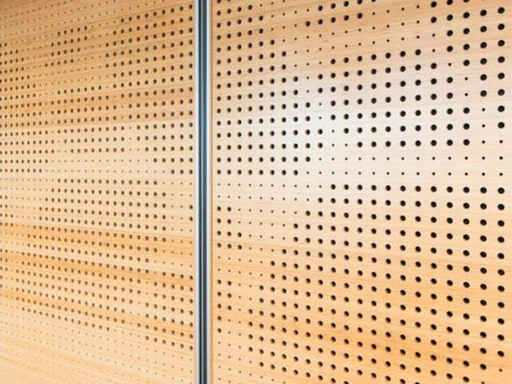
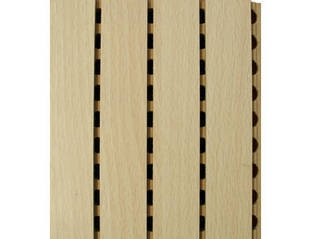
Slotted/perforated structure delivers excellent mid- to high-frequency absorption; natural wood veneer finish with strong decorative appeal; fire rating up to Class B1; ideal for meeting rooms, cinemas and concert halls.
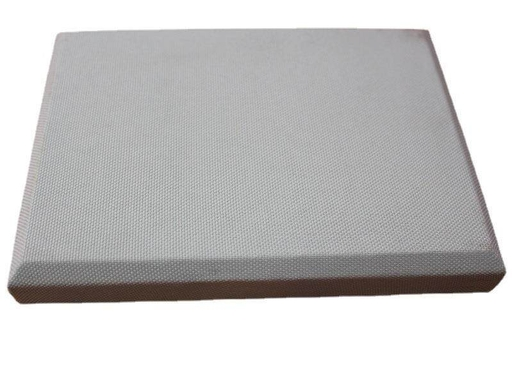
Formaldehyde-free, low-VOC, compliant with E1 standard; lightweight and soft — high safety profile; NRC up to 0.85 and above; ideal for schools, kindergartens and recording studios.
High-density core delivers high sound-insulation; typically used in double-stud wall systems; mature jointing and finishing practices; ideal for residential party walls and partitions.
High-damping layer suppresses structure-borne vibration; outstanding low-frequency insulation; thin panel achieves high STC; ideal for KTV rooms, equipment rooms and pump rooms.
Key acoustic and physical indicators (typical values — refer to the product data sheet for specific details)
| Material Type | Weighted Sound Reduction Rw | Noise Reduction Coefficient NRC | Apparent Density kg/m³ | Combustion Performance | Environmental Grade |
|---|---|---|---|---|---|
| Wood Acoustic Panel | — (absorption-focused) | 0.60–0.85 | 400–700 | B1 (flame-retardant) | E1 |
| Polyester-Fiber Panel | — (absorption-focused) | 0.75–0.90 | 120–220 | B1 / B2 | E1 |
| Sound-Insulation Gypsum Board | Single board 35–40 dB* | — | 800–1100 | Class A (non-combustible) | E1 |
| Damping Acoustic Panel | Single board 25–30 dB* | — | 1000–1500 | B1 (flame-retardant) | E1 |
* Sound reduction values are single-board laboratory typical figures. Actual wall sound-insulation depends on stud structure, cavity infill and installation practice. Composite double-stud walls can deliver 50 dB+ overall sound reduction.
Composite wall systems achieve 50 dB+ sound insulation, effectively blocking traffic, neighbour and equipment noise to deliver a quiet, comfortable indoor acoustic environment — comfortably meeting national residential party-wall requirements.
Porous absorption panels tune interior reverberation time to the optimum range for clear speech intelligibility, making them widely suitable for meeting rooms, auditoriums and cinemas.
Sound-insulation gypsum board achieves Class A non-combustible rating, while wood and damping panels achieve Class B1 flame-retardant rating — providing reliable fire safety for buildings.
Formaldehyde emissions meet E1 standard, asbestos-free, no radioactive substances; polyester-fiber panels are recyclable — protecting indoor air quality.
Wide range of surface colours, textures and perforation patterns, combining acoustic function with decorative appeal — fits any interior style without additional finishing.
Standard panel sizes with stud-based dry installation — fast, clean, no wet trades; panels can be cut and drilled on site, adapting to any irregular space and shortening the project timeline.