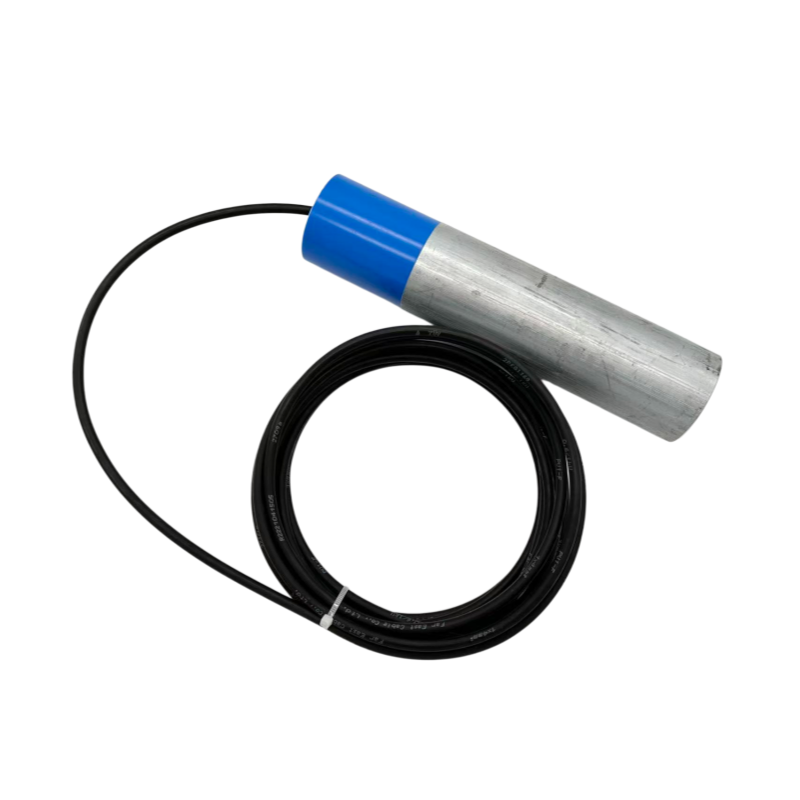
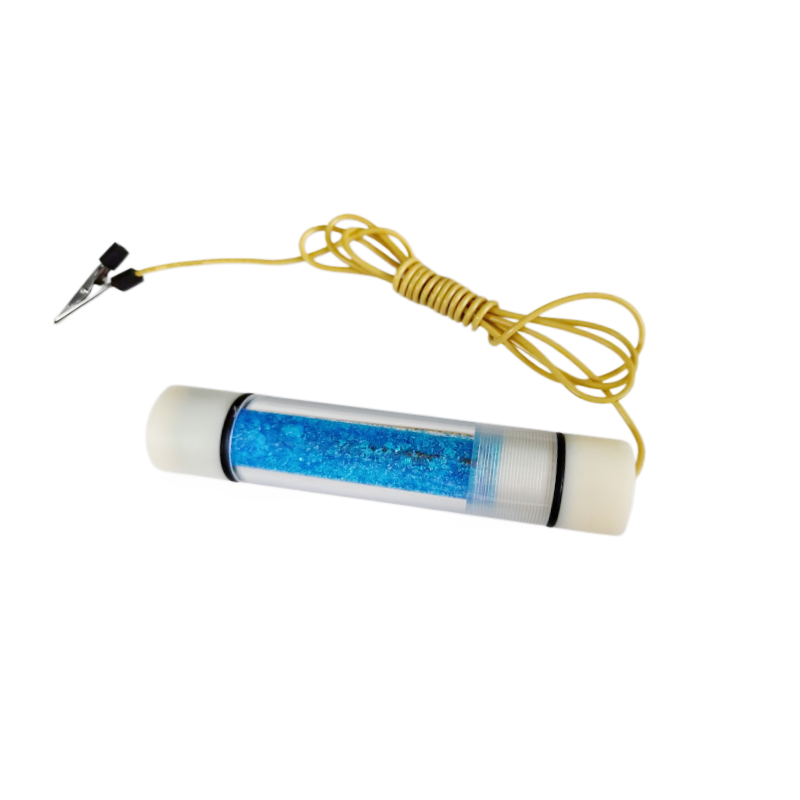
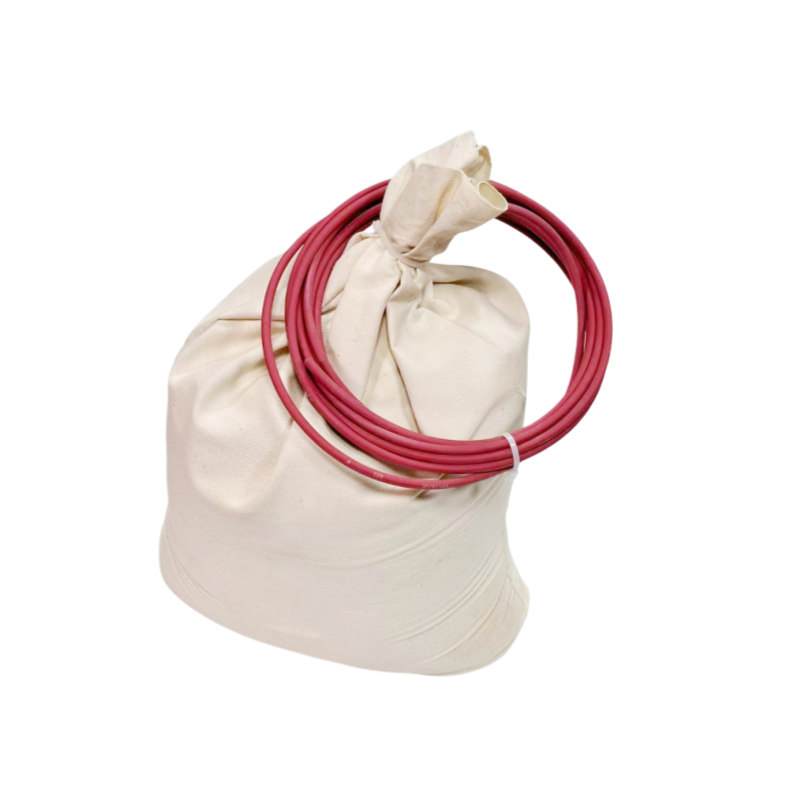
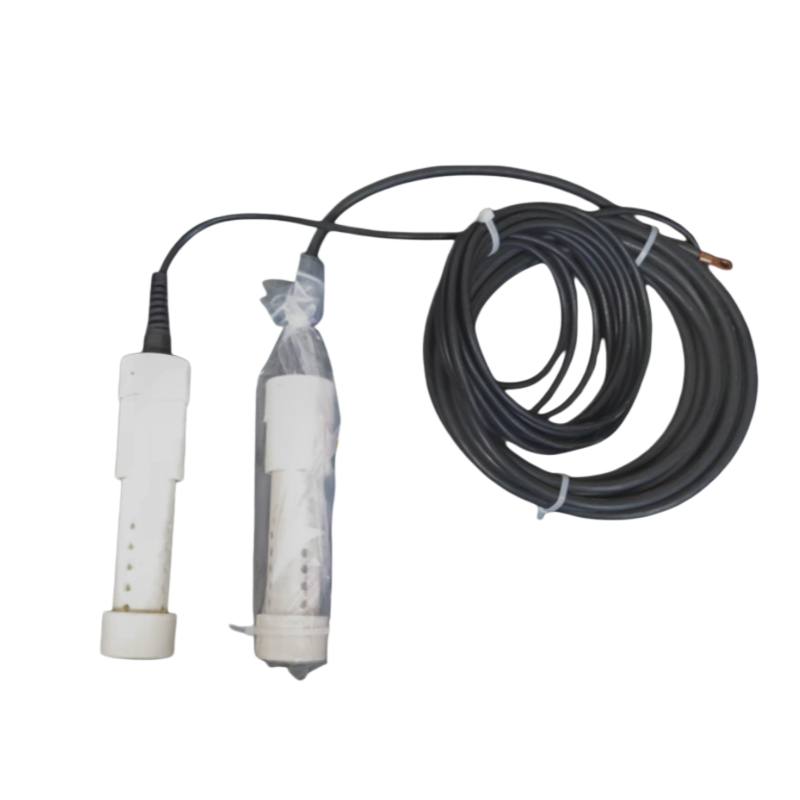
The reference electrode is the 'ruler' for measuring the potential of the protected structure (pipeline, tank, vessel, bridge, etc.) in a cathodic protection system. The most common types are copper/copper sulfate (CSE), silver/silver chloride and high-purity zinc; as the electrode itself is nearly non-polarized in the measuring circuit, the reading reflects the true potential of the protected structure and is the direct basis for judging protection effectiveness (e.g. off-potential ≤ -0.85 V vs CSE in soil).
In typical soil, a buried steel pipeline with an off-potential <= -0.85 V vs CSE is considered to have achieved effective cathodic protection; in seawater, -0.80 V vs Ag/AgCl or +0.25 V vs Zn is commonly used as the criterion.