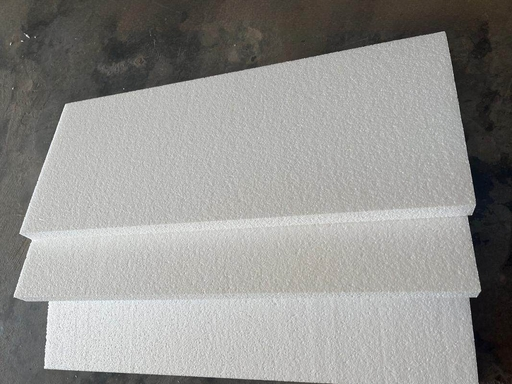
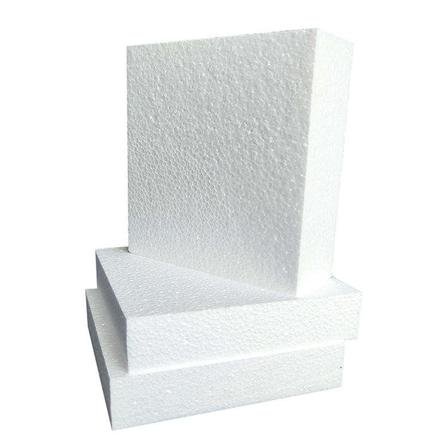
Thermal insulation materials are functional materials applied to the building envelope — exterior walls, roofs and floors — to reduce heat transfer, keeping buildings warm in winter and cool in summer.
As national building-energy standards continue to rise, insulation has become an indispensable part of modern construction. By trapping air in closed cells or exploiting intrinsically low thermal conductivity, insulation dramatically cuts heating and cooling loads.
The mainstream insulation products on the market fall into three categories: organic (EPS, XPS, PU), inorganic (rock wool, glass wool, foamed cement) and composite (insulation-and-decoration integrated panels). Each material balances thermal conductivity, fire rating, strength and cost differently — selection depends on building type, fire requirements and budget.
We offer multiple insulation solutions for different application scenarios
Class A non-combustible, excellent fire performance; thermal conductivity ≈ 0.040 W/(m·K); good sound absorption; ideal for external wall insulation and fire-break strips.
Closed-cell structure with very low water absorption; thermal conductivity as low as 0.030 W/(m·K); high compressive strength, dimensionally stable; ideal for roofs, floors and cold-storage.
Lightweight and easy to install; excellent cost-performance ratio; thermal conductivity ≈ 0.038 W/(m·K); ideal for thin-coat external wall insulation systems.
Lowest thermal conductivity, ≈ 0.022 W/(m·K); thinner section for the same insulation effect; high closed-cell ratio, good moisture resistance; ideal for cold storage, pipelines and high-end energy-efficient buildings.
Key performance indicators (typical values — refer to product data sheet for specifics)
| Material | Thermal Conductivity W/(m·K) | Fire Rating | Density kg/m³ | Water Absorption | Compressive Strength |
|---|---|---|---|---|---|
| Rock Wool Board | ≤ 0.040 | Class A (non-combustible) | 80–160 | Low | ≥ 40 kPa |
| XPS | ≤ 0.030 | Class B1 (flame-retardant) | 25–45 | Very low (<1%) | ≥ 150 kPa |
| EPS | ≤ 0.038 | Class B1 (flame-retardant) | 15–30 | Low | ≥ 100 kPa |
| PIR | ≤ 0.024 | Class B1 (flame-retardant) | 30–50 | Very low | ≥ 150 kPa |
* Values are typical industry figures. Parameters vary by manufacturer and grade — refer to the product test report for actual selection.
High-efficiency insulation can cut building heating and cooling energy consumption by 30%–60%, significantly reducing long-term operating cost. Meets the national 75% energy-saving standard and higher.
Inorganic materials such as rock wool meet Class A non-combustible standards, fundamentally reducing building fire risk and providing solid protection for personnel and property.
Effectively reduces indoor temperature fluctuations, eliminates cold bridges and condensation / mold on exterior walls. Warm in winter, cool in summer — significantly enhances indoor comfort and air quality.
Low density and light self-weight reduce structural load on the building. Combined with good compressive strength, transport and installation are easier — shortening the construction schedule.
Closed-cell structure gives extremely low water absorption — insulation performance is not degraded by moisture over the long term. Aging- and corrosion-resistant, service life exceeds 25 years.
Non-toxic, harmless and recyclable. Low-energy production process supports green-building certification (LEED, China 3-star) and reduces building carbon emissions.